


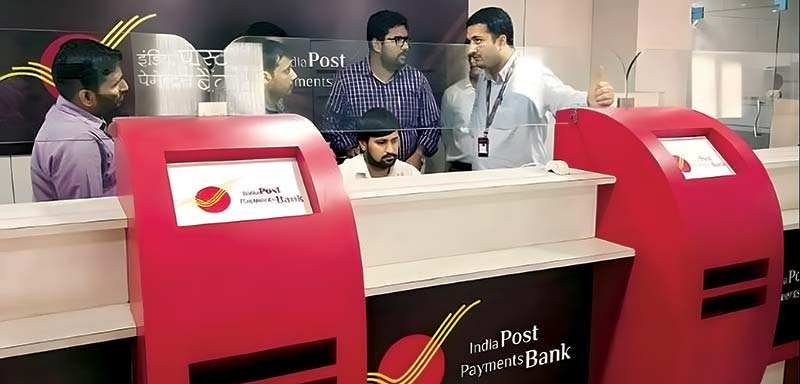


India Post Payments Bank (IPPB) has announced the nationwide introduction of Aadhaar-based face authentication for customer transactions, marking a significant step toward greater accessibility and financial inclusion for seniors, people with disabilities, and anyone who encounters challenges with biometric authentication.
This new feature, developed in collaboration with the Unique Identification Authority of India (UIDAI), allows customers to use facial recognition to access banking services, removing the reliance on physical biometrics like fingerprints or one-time passwords (OTPs).
According to IPPB, this authentication system supports the Government’s Digital India and financial inclusion goals. The service is expected to benefit customers across both rural and urban areas — especially those with worn fingerprints or limited access to smartphones.
Speaking on the launch, R Viswesvaran, Managing Director and CEO, IPPB said, “At IPPB, we believe that banking should not just be accessible but dignified too. With Aadhaar-based face authentication, we are ensuring that no customer is left behind due to limitations in biometric fingerprints or OTP verification. It’s not just a tech feature; it’s a step towards redefining financial inclusion at scale.”
IPPB, established in 2018 under the Department of Posts, Ministry of Communications, operates through a vast network of around 1.65 lakh post offices and over 3 lakh postal employees. Its digital model leverages India Stack technologies to offer paperless and presence-less banking services at the doorstep, serving over 11 crore customers across 5.57 lakh villages and towns.
Look to unlock
Inclusive banking for the elderly, differently abled, and individuals with worn fingerprints.
Secure Aadhaar authentication without dependency on OTP or fingerprint sensors.
Fast and contactless transactions for smoother customer experience.
Safe banking during health emergencies, where physical contact may be risky.
Support for all banking services, including account opening, balance inquiry, fund transfers, and utility payments.