




Shalini S Sharma
NEW DELHI: On March 19, the pharmaceutical landscape in India didn’t just shift; it underwent a tectonic reorganisation. For years, the “miracle” weight-loss molecule, semaglutide, had been the exclusive playground of the wealthy — a luxury accessible only to those who could afford the steep Rs 10,000+ monthly price tag of the innovator’s brands, Ozempic and Wegovy.
But as the clock struck midnight and the patent expired, the floodgates opened. Within 72 hours, the Indian market witnessed what analysts are calling the “gen-sem revolution.” Giants like Sun Pharma, Dr. Reddy’s, Zydus Lifesciences, and Alkem Laboratories didn’t just enter the fray; they launched a full-scale blitz, slashing prices by nearly 70–90 per cent.
The price slash will rapidly expand access for people in India, and eventually in other countries too. Investment bank Jefferies has called it a potential “magic-pill moment” for India, predicting the semaglutide market could eventually reach $1 billion domestically with the right pricing and uptake.
Analysts expect around 50 branded semaglutide generics to enter the market within months – a familiar pattern in India’s fiercely competitive pharmaceutical industry. When the diabetes drug sitagliptin went off patent in 2022, about 30 branded versions appeared within a month and nearly 100 within a year, according to a BBC report.
Boom in weight-loss drugs
India’s pharmaceutical industry, worth about $60 billion, is expected to double by 2030. Much of it is built on generics – a manufacturing muscle that now sets the stage for fierce competition over semaglutide. What has until now been an expensive injection largely confined to affluent patients could soon become far more common.
Originally developed to treat diabetes, these drugs are now being hailed as game changers for weight loss, offering results that few previous treatments could match. Semaglutide belongs to a class of medicines known as GLP-1 receptor agonists, which mimic a hormone that regulates appetite and blood sugar.
By boosting insulin release and slowing the emptying of the stomach, the drugs make people feel full sooner and stay full longer. Originally developed for diabetes, they have become some of the most sought-after weight-loss treatments in the world.
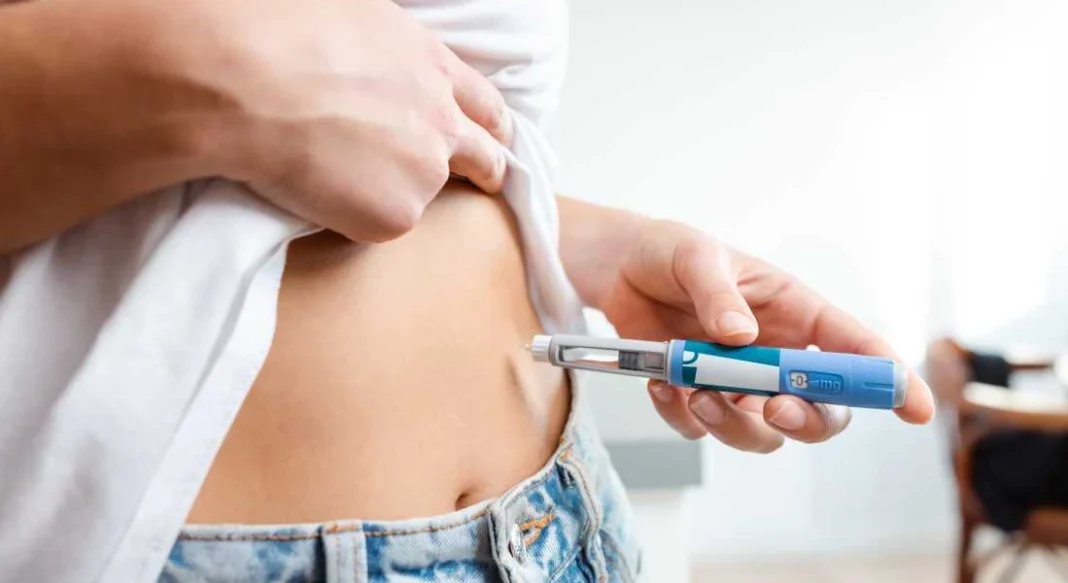
The new generation of weight-loss drugs is typically delivered through easy-to-use injectable pens
Several Indian drug makers are already preparing to make the move. According to Sheetal Sapale, vice-president at research firm Pharmarack, major firms including Cipla, Sun Pharma, Dr Reddy’s Laboratories, Biocon, Natco, Zydus and Mankind Pharma are readying branded generics, with many more likely to follow. Prices are expected to fall sharply.
Current monthly treatment costs are steep: Ozempic typically sells for 8,800 – 11,000 rupees ($95-$119; £71-£89), while Wegovy can cost 10,000-16,000 rupees ($108-$173). Sapale expects generic competition to push that down to roughly 3,000-5,000 rupees ($36-54) per month.
Lower prices could transform the market.
India’s anti-obesity drug sector – covering both injectables and oral medicines – has already grown rapidly, from roughly $16m in 2021 to close to $100m, according to Pharmarack. Demand accelerated after the launch of Rybelsus in 2022, the first oral version of semaglutide.
The surge reflects a broader health shift.
India already has more than 77 million people with type-2 diabetes and one of the world’s largest populations of overweight adults. Urban lifestyles, carbohydrate-heavy diets and sedentary habits have helped drive both conditions.
For doctors, cheaper GLP-1 drugs could soon add a powerful new tool to treat them.
Weight-loss drugs are also moving beyond endocrinology clinics. Cardiologists use them to help patients shed weight before procedures such as angioplasty, orthopaedic surgeons to ease stress on joints before knee surgery, and chest physicians to treat conditions such as obstructive sleep apnoea.
Muffazal Lakdawala, a Mumbai-based bariatric surgeon, says these drugs could dramatically expand treatment for India’s large population of patients with diabetes and obesity.
Until recently, he notes, access was limited: injectable GLP-1 drugs were expensive and difficult to obtain, while the oral drug Rybelsus was the only widely available option.
“It is great that these will become cheaper so that more of the diabetic and obese Indian population can access them,” he says.
But he adds a warning: “The quality of the drugs being made here must be very tightly regulated.”
Making of the molecule
Semaglutide is a complex peptide — a short chain of 31 amino acids that mimics a hormone naturally produced in our gut (GLP-1). Creating it requires sophisticated “molecular tailoring” through solid phase peptide synthesis (SPPS).
Initially, there were concerns about purity levels. However, by early 2026, domestic API giants successfully scaled up their fermentation and synthesis plants.
Infrastructure: Major players built dedicated “peptide blocks” in their USFDA-compliant facilities.
The delivery challenge: It wasn’t just the drug; it was the delivery. Semaglutide is mostly administered via pre-filled pens. Indian engineering firms stepped up to provide high-precision “click-pens” that were once a major bottleneck.
Because production is now happening locally, vial-based semaglutide is now available for as low as Rs 325 per week, making it cheaper than a couple of gourmet coffees in Mumbai.
Level of import dependency
Historically, India is the “pharmacy of the world,” but its “API kitchen” was heavily dependent on China for nearly 70 per cent of raw precursors. The semaglutide story is a prime example of the “atmanirbhar” shift.
Vertical integration: Companies like Dr. Reddy’s and Sun Pharma are now “vertically integrated.” This means they make the API in-house from the most basic building blocks, reducing reliance on foreign suppliers.
The China factor: While India still imports some “protected amino acids,” the complex assembly of the 31-amino acid chain is now done on Indian soil.
Policy support: The Government’s Production Linked Incentive (PLI) scheme provided the necessary cushion for companies to invest in these high-tech peptide plants, dropping import dependency for the finished GLP-1 drugs to nearly zero.
The dirty secret
While the “sema-boom” is a victory for health accessibility, the industrial reality is far more complex. Behind every sleek, pre-filled pen lies a massive manufacturing footprint and a regulatory “tightrope” that Indian companies must walk.
Environmental “waste mountain”: Peptide manufacturing is notoriously “dirty” compared to traditional medicine. While making a standard paracetamol tablet creates very little waste, creating a peptide like semaglutide is an ecological challenge.
The 14,000:1 ratio: Producing just 1 kg of semaglutide can require up to 14,000 kg (14 metric tonne) of toxic organic solvents. For comparison, a typical “small molecule” drug needs only 300 kg.
The “dirty” solvents: The process relies heavily on DMF (dimethylformamide) and DCM (dichloromethane). These are hazardous chemicals that can cause liver damage and are classified as potential carcinogens.
The Indian response: To manage this, Indian plants in the “red category” (the highest pollution classification by CPCB) are investing heavily in zero liquid discharge systems. Factories in hubs like Vizag and Dahej are now using advanced “incineration-at-source” and solvent recovery plants to recycle up to 90 per cent of these chemicals.
Regulatory “tightrope”
In India, the transition from a “niche” drug to a “mass” drug has triggered a massive shift in oversight.
From FSSAI to CDSCO: There is an ongoing move to shift the regulation of the amino acids used in these drugs away from the food regulator (FSSAI) to the much more rigorous CDSCO (Central Drugs Standard Control Organisation). This ensures that the raw materials aren’t just “food grade” but “pharma grade,” with zero room for impurities.
Impurity profiling: Because semaglutide is a complex chain, even a tiny “hiccup” in the 31-link sequence can create a “related substance” (an impurity) that could cause an allergic reaction. Indian labs now use high-end LC-MS (Liquid Chromatography-Mass Spectrometry) to map every single molecule, a process that is as much about data science as it is about chemistry.
The “lifestyle” surge: Regulators are worried about the “leakage” of these drugs for cosmetic use. One can expect to see stricter “schedule H” enforcement in late 2026, requiring Aadhaar-linked prescriptions at pharmacies to prevent teenagers and athletes from using the drug without medical need.
The “Explosive” Truth
One of the key chemicals used to prevent side reactions in semaglutide synthesis is HOBt (hydroxybenzotriazole). In its pure, dry form, it is legally classified as an explosive, similar to TNT. To transport it safely across India, it must be “wetted” with at least 20 per cent water. If a factory’s air conditioning fails and the chemical dries out, it doesn’t just ruin the drug — it becomes a literal security risk!
As of late March, the race is on for “green peptides.” Researchers are working on water-based synthesis, trying to replace toxic solvents with plain old H2O. If they succeed, India won’t just be the cheapest place to buy semaglutide — it will be the cleanest place to make it.
The story of semaglutide in India isn’t just about weight loss; it’s about a nation’s ability to master the most difficult chemistry on earth while keeping its people, and its environment, safe.
New Market Landscape
With the patent expiry, several Indian brands have hit the market with significantly lower price points.
| Company | Brand Name(s) | Estimated Monthly Cost | Delivery Format |
|---|---|---|---|
| Natco Pharma | Semanat, Semafull | Rs 1,290 – Rs 1,750 | Multi-dose vial |
| Glenmark | Glipiq | Rs 1,300 | Injectable |
| Zydus Lifesciences | Semaglyn, Mashema | Rs 2,200 | Reusable pen |
| Sun Pharma | Noveltreat, Sematrinity | Rs 3,000 – Rs 8,000 | Pre-filled pen |
| Dr. Reddy’s | Obeda | Rs 4,200 | Pre-filled pen |
| Alkem Labs | Semasize, Obesema | Rs 1,800 | Disposable pen |
Learnings from a lizard
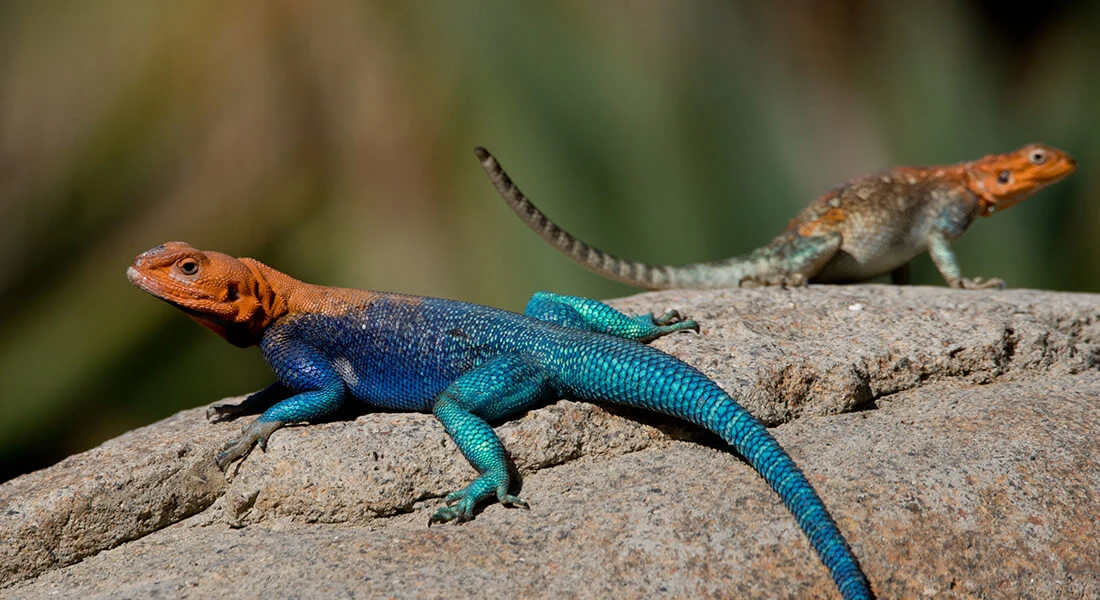
The “ancestor” of semaglutide was found in the spit of a lizard. The first GLP-1 drug (exenatide) was derived from a hormone found in the saliva of the Gila Monster, a venomous lizard native to the Southwestern US. Researchers noticed the lizard could go months without eating while maintaining steady blood sugar. Today’s semaglutide is a much-improved, synthetic version of that “lizard logic”