




Blitz Bureau
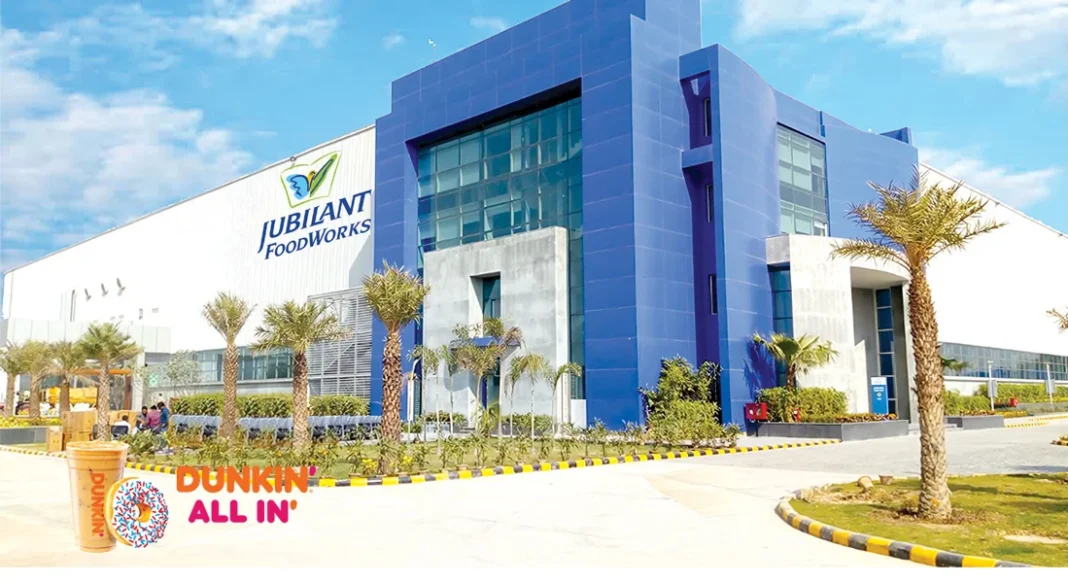
NEW DELHI: Dunkin’ (formerly Dunkin’ Donuts) is preparing to wind down its current operations in India. After nearly 15 years, its partnership with Jubilant FoodWorks Limited (JFL) is set to conclude, with the brand expected to exit its current franchise model by December 31, 2026.
According to media reports, the Multiple Unit Development Franchise Agreement (MUDFA) between Jubilant FoodWorks and Dunkin’, signed in February 2011, will expire on the last day of this year.
The company said it will not renew the development rights under the agreement once the current term ends due to Dunkin’ contributing only 0.61 per cent of its total revenue and incurring recurring losses. The company is shifting focus towards its more profitable brands like Domino’s and Popeyes.
JFL plans to undertake a phased approach to wind down operations. This may include rationalisation or cessation of certain outlets, along with possible sale or transfer of assets and franchise rights, in consultation with the brand’s owners.
The process will be carried out in line with contractual obligations, regulatory requirements and applicable laws.
Jubilant FoodWorks operates a network of over 3,500 stores across multiple markets, including India, Turkey, Bangladesh and Sri Lanka. Its portfolio includes brands such as Domino’s and Popeyes, along with its own brands.
The first flagship Dunkin’ store had opened in New Delhi’s Connaught Place in April 2012. At the time, the vision was incredibly ambitious, with plans to open 500 stores across the country within 15 years.
The first flagship Dunkin’ store had opened in New Delhi’s Connaught Place in April 2012. At the time, the vision was incredibly ambitious, with plans to open 500 stores across the country within 15 years.
The brand’s journey was a series of tactical pivots as it struggled to find its footing:
The initial peak came in 2016 with approximately 77 Dunkin’ stores. The burger pivot was led by the realisation that donuts were seen only as a “treat” rather than a meal, Dunkin’ attempted to rebrand as a “food-first” destination, launching a range of premium burgers and wraps to compete with the likes of McDonald’s.
When the burger strategy failed to drive consistent profitability, JFL began “rationalising” or closing underperforming stores. By December 2025, the footprint had shrunk to just 27 stores.
Dunkin’ successfully cultivated a “cool” image among Gen Z and Millennials through digital-first marketing:
Social-first branding: They leveraged YT Shorts, Instagram, and influencer partnerships to position themselves as a trendy “lifestyle” brand.
By rebranding globally to just ‘Dunkin’ and focusing on cold brews and iced lattes, they targeted the younger workforce and students who favoured quick, “grammable” caffeinated beverages.
Trendy limited-edition flavours and DIY donut kits briefly captured social media attention.
But despite the digital buzz, the brand faced several fundamental roadblocks. The brand was built on the “coffee and donut” breakfast culture. In India, breakfast is dominated by savoury, hot items such as parathas, idlis, poha and chai, not sweet donuts and black coffee.
Donuts are viewed as an occasional indulgence or dessert in India. Unlike pizza or burgers, they rarely satisfy a “full meal” craving, leading to low repeat footfall.
At a premium price point, the brand struggled to compete with local sweet shops for “treats” and with established cafes like Starbucks or CCD for the “social seating” experience.
The Me-Too positioning took away the unique selling proposition. Its attempt to sell burgers made it a “Jack of all trades, master of none,” losing its specialist donut identity without gaining the “burger-expert” status of its rivals.
The pie pipers
Mad Over Donuts (MOD): At present the most successful specialist player is MOD. Unlike Dunkin’, MOD focuses exclusively on the “treat” and “gifting” aspect with localised flavours. They operate over 150 stores and have maintained better profitability by sticking to high-footfall mall kiosks and smaller formats.
As of March 31, 2025, MOD reported an annual revenue of approximately ₹96.2 crore ($11.4 million).
While Dunkin’ is shrinking, MOD is actively expanding. By the end of 2024, they reached over 150 stores across India and have set targets to add 50 more locations by the end of 2025.
Krispy Kreme: After a period of stagnation, it was recently acquired in India by Curefoods in 2024. They are pursuing a “turnaround” strategy focused on fresh delivery and an “omnichannel” approach via digital sales plus physical points of access.
They are moving away from the “sit-down cafe” model and focusing on hyper-local delivery (10–30 minute delivery times) and “donut theaters” where customers can see the fresh glazing process — a visual “hook” that performs well on social media.
Theobroma & local artisanal bakeries: These have “stolen” the premium dessert share from Dunkin’ by offering high-quality brownies, pastries, and cakes that resonate more with Indian gifting traditions.
| Metric | Estimate (2024-2025) |
|---|---|
| Total Indian Bakery Market | ~$13.8 Billion |
| India Donut Market Size | ~$442 Million |
| Donut Market Share in Bakery | ~3.2% |