




Blitz India Business
NEW DELHI: India’s foreign exchange reserves crossed $707 billion in the week to 7 August. The build is not the story — the speed of it is.
Reserves rose by $14.1 billion to $707 billion in the week ended 7 August 2026, on Reserve Bank of India data. That follows a $10.51 billion gain in the week to 31 July, which was itself the largest weekly addition since January. Two consecutive builds of that size put roughly $25 billion onto the external buffer inside a fortnight — an accumulation rate India has recorded only in short, distinct episodes over the past decade.
Weekly reserve moves have three possible drivers and it matters which is operating. The first is central bank purchase in the spot market, which adds genuine assets and simultaneously injects rupee liquidity into the banking system. The second is valuation: reserves are reported in dollars but held partly in euro, sterling, yen and gold, so a weaker dollar mechanically raises the headline without a single transaction taking place. The third is portfolio inflow arriving through the banking channel. A $14.1 billion week is almost certainly a combination, and the split determines whether this is balance-sheet strength or accounting arithmetic.
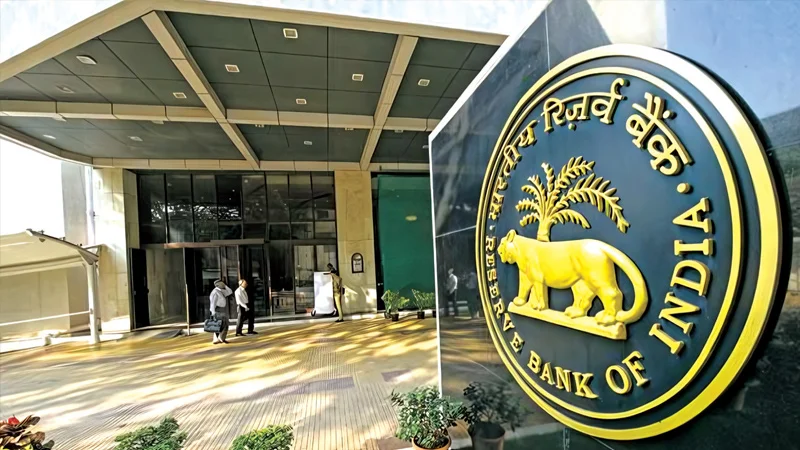
Two big weeks running: reserves reached $707 billion on 7 August after a $14.1 billion gain, following a $10.51 billion addition the week before.
A reserve buffer is not a trophy. It is the number that decides how long a country can be wrong about oil.
At a Glance
• Reserves, week to 7 August 2026: $707.0 billion
• Weekly change: up $14.1 billion
• Previous week, to 31 July: up $10.51 billion, to $692.87 billion
• Two-week addition: approximately $25 billion
• Components: foreign currency assets, gold, SDRs, IMF reserve position
• Three drivers of any weekly move: RBI purchases, currency revaluation, portfolio inflows
• What it funds: import cover and orderly currency management
• The month’s stress test: a merchandise deficit of $15 billion in July
• Source: Reserve Bank of India weekly statistical supplement
The use of a buffer this size is best understood against the trade number published two days earlier. A $15 billion monthly merchandise deficit, annualised, is a substantial call on foreign exchange; reserves of $707 billion mean that call can be met for a long period without a policy scramble, which is precisely what allows a central bank to smooth volatility rather than defend a level. It also lowers the cost at which Indian borrowers raise money abroad, because sovereign creditworthiness is priced partly off external cover. Neither effect is visible in a headline, and both show up in corporate interest bills.
The constructive reading is that India is rebuilding external insurance during a period when it can — export growth is running at 13.3 per cent and portfolio sentiment is supportive. Buffers are cheap to accumulate in good months and impossible to accumulate in bad ones, which is the entire argument for doing it now. The disciplines that keep it working are unglamorous: continue publishing the weekly composition so the market can see revaluation separately from purchase, keep the forward book within prudent limits, and avoid treating a rising number as a reason to relax on the import-substitution and energy-security work that reduces the underlying need for it.