




Blitz India Business
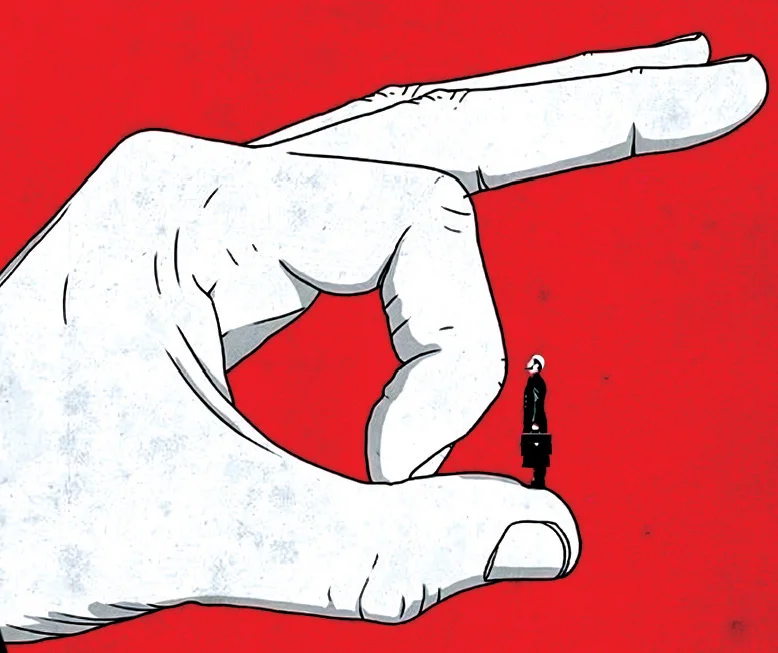
NEW DELHI: The Election Commission’s Special Intensive Revision (SIR) of electoral rolls is deemed as a necessary exercise to eliminate duplicate, shifted, deceased and ineligible voters. Opposition parties see it as a process that could disenfranchise genuine electors. The controversy underlines a fundamental democratic challenge: how can India ensure clean electoral rolls without compromising every eligible citizen’s right to vote? The answer will have implications not only for the credibility of elections but also for public confidence in India’s democratic institutions.
No democracy can function with inaccurate voter lists. Electoral rolls must be updated regularly to reflect deaths, migration and changes in residence. Failure to do so raises questions about the integrity of elections and provides ammunition for allegations of bogus voting. Periodic revision is therefore not merely desirable but essential.
The present controversy, however, concerns the manner in which the exercise is being conducted. The SIR has raised questions over documentation requirements, short timelines and the burden placed on ordinary voters. The initial decision not to include Aadhaar, voter identity cards and ration cards among the principal documents triggered criticism from political parties and civil society groups. During hearings, the Supreme Court observed that Aadhaar and the EPIC carry a presumption of correctness and should be considered during verification, while reiterating that Aadhaar alone does not establish citizenship.
There are practical concerns as well. Elderly citizens, migrant workers, women whose surnames changed after marriage, tribal communities and economically weaker families may struggle to produce documents within the stipulated period. Opposition parties have alleged inadequate public awareness, inconsistent verification by booth-level officials and insufficient opportunity for filing claims and objections. The Election Commission has rejected these allegations, saying adequate safeguards and multiple levels of scrutiny are built into the process.
The timing has further sharpened the debate. A comprehensive revision close to an Assembly election inevitably attracts political suspicion. What should ideally remain an administrative exercise becomes a political contest, with one side alleging voter suppression and the other insisting that electoral integrity demands rigorous verification.
Yet abandoning such revisions would be equally damaging. India’s rapidly changing demographics make regular updating unavoidable. Urbanisation, migration and population mobility constantly alter electoral rolls. Allowing duplicate or ineligible names to remain unchecked weakens confidence in election outcomes and ultimately harms democracy itself.
Electoral rolls must be updated regularly to reflect deaths, migration and changes in residence. Failure to do so raises questions about the integrity of elections and provides ammunition for allegations of bogus voting.
The real question, therefore, is not whether electoral rolls should be cleaned but whether the process inspires confidence across the political spectrum.
That responsibility rests squarely with the Election Commission. Every stage of the exercise must be transparent, well-publicised and uniformly implemented. Verification procedures should be simple, sufficient time must be available for compliance, and effective appeal mechanisms should ensure that no eligible voter loses the franchise because of procedural difficulties. Technology can improve verification, but it cannot substitute for sensitive implementation at the ground level.
Political parties also have a duty beyond rhetoric. They should help voters verify their enrolment, complete documentation and pursue appeals wherever necessary instead of merely exchanging accusations. Civil society organisations and the media, too, can play an important role by spreading awareness, countering misinformation and helping vulnerable voters understand the verification process.
The real debate is not whether electoral rolls should be cleaned — they should — but whether the process is transparent, proportionate and sufficiently inclusive to ensure that no eligible citizen loses the right to vote.