




Blitz Bureau
NEW DELHI:In January 2026, the Union Cabinet cleared the National Menstrual Hygiene Policy (NMHP) 2.0, a document that health advocates are calling a “Magna Carta for Dignity’. This policy moves beyond the classroom and into the broader Indian economy.
Eco-Switch Subsidy: One of the most forward-thinking elements of the policy is a 40 per cent tax incentive for manufacturers of biodegradable pads and reusable menstrual cups. With an estimated 12 billion non-biodegradable pads entering Indian landfills every year, the Government is treating menstrual waste as a critical environmental issue.
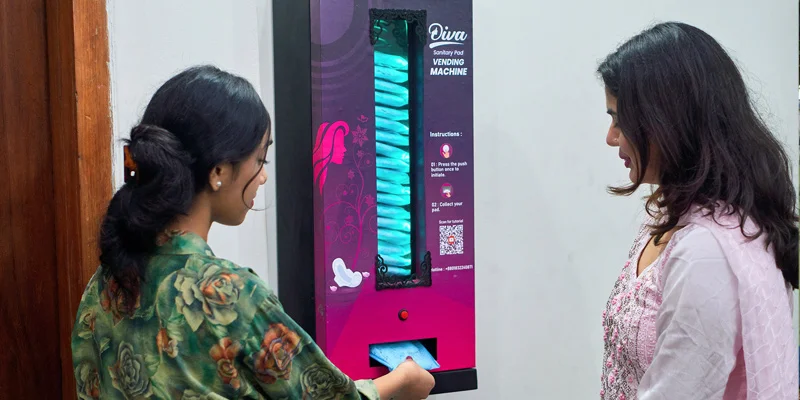
Workplace Mandates: For the first time, labour laws have been updated to include ‘Hygiene Kiosks’ Any factory or office with more than 10 female employees is now legally required to provide a private space equipped with vending and disposal units.
Male Allyship Module: Perhaps the most radical change is in the national curriculum. Menstrual health education is now a mandatory, non-examinable module for both boys and girls starting in Class 6. By educating boys about the biological reality of menstruation, the policy aims to eradicate the ‘culture of silence’ that has historically marginalised women for one week every month.