




Blitz Bureau
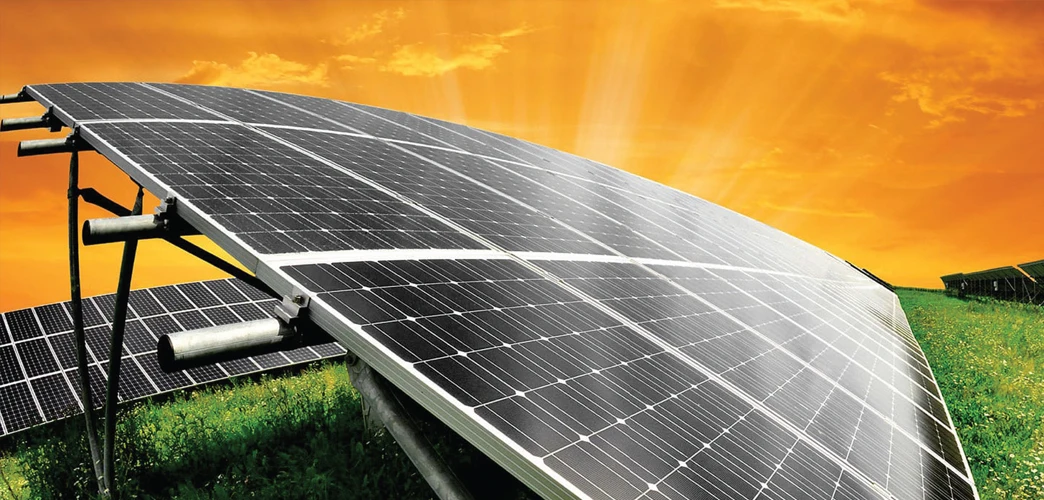
NEW DELHI:Tariff shock continues for India as the US Commerce Department has announced anti-subsidy countervailing duties on solar cells and panels imported from India and two other South Asian countries. The other two countries are Indonesia and Laos.
According to the fact sheet posted on the US department’s website, India is now facing general subsidy rates of 125.87 per cent for imports, while Indonesia and Laos have been hit with 104.38 per cent and 80.67 per cent tariffs, respectively, reports Reuters.
US Government trade data shows that three nations accounted for $4.5 billion in imports, accounting for about two-thirds of the 2025 total, as cited by Reuters. As a result, the Trump administration couldn’t help but point out that India, Indonesia and Laos had unfairly subsidised solar manufacturing.
For India in particular, the US Commerce Department has revealed that the solar imports from here in 2024 amounted to $792.6 million, which was over nine times the figures from 2022.
Solar imports from India to the US in 2024 amounted to $792.6 million, which was over nine times the figures from 2022.
As US President Donald Trump continues his staunch “America First” push, the decision is expected to motivate US producers. Even then, the tariff impact ultimately threatens higher consumer costs.
The solar imports issue comes to light as a new US court ruling left several countries’ trade deals with America uncertain. Even India’s interim trade agreement with the US, which initially resulted in the country facing 18 per cent tariffs, has now entered a new territory marked with a lack of clarity.
Trade talks set to take place between both countries last week were deferred as they continued to “study the implications” of the US Supreme Court ruling that struck down the Trump admin’s global tariffs as “illegal.”
While the initial decision brought US tariffs on Indian goods down from 50 per cent to 18 per cent, the Supreme Court ruling prompted Trump to propose an imposition of 15 per cent global tariffs on all goods coming to the US.
However, this reformed tariff rate ultimately fell back to the originally proposed 10 per cent (excluding the baseline pre-existing levies) tariff level on February 24, finally ending a week-long confusion after the legal ruling.