

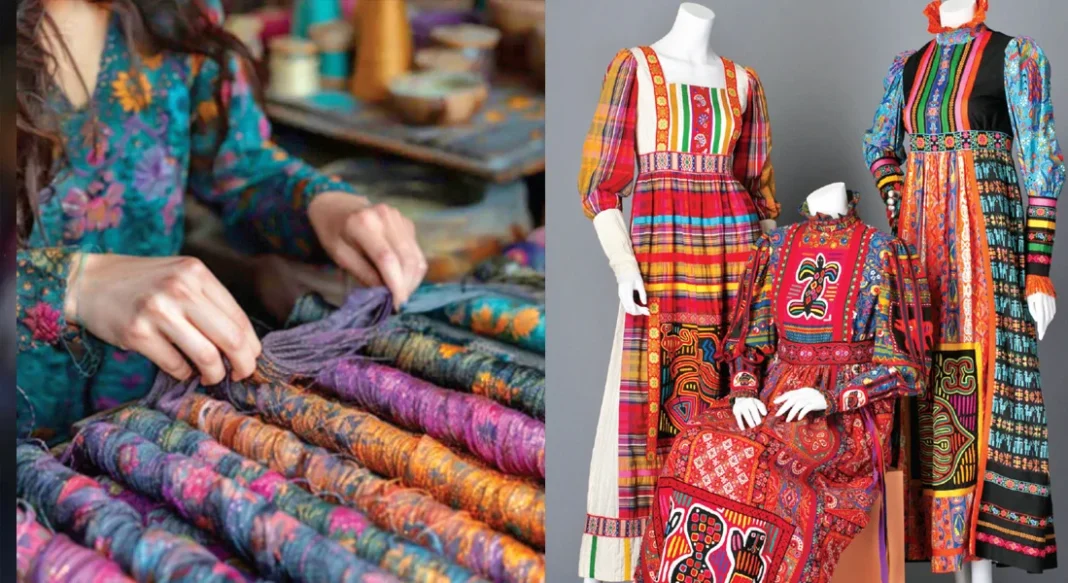


Blitz Bureau NEW DELHI: To navigate the 2026 fashion landscape, one needs to speak the language of circularity. Here are the terms popping up in Panipat’s boardrooms: Circular Fashion (SDG 12.5): A system where clothing is designed, produced, and used in a way that it never becomes waste. It is the opposite of the ‘take-make-dispose’…

…
A platform for change and progress. At Blitz India Business, our vision is to be a transformative platform that elevates the role of business and industry in driving India’s journey towards Viksit Bharat 2047. We are dedicated to fostering innovation, championing sustainability, and promoting inclusivity, while building a bridge for collaboration and progress.
Quick Links
Get important news delivered directly to your inbox and stay connected!