




Blitz Bureau
NEW DELHI: The United States and Iran have signaled no quick end to their war, with the US President Donald Trump saying it was necessary to finish the job and Iran warning that the world should be ready for oil at $200 a barrel after striking tankers in Iraqi waters and other ships near the vital Strait of Hormuz.
While Trump has said that the war will end “soon,” whenever he decides it should, Iran said it was ready for “a long-term war of attrition that will destroy the entire American economy.” Iran also warned that it would start targeting US-linked banks across the Middle East.
The war unleashed with joint US and Israeli air strikes nearly two weeks ago has so far killed around 2,000 people, mostly Iranians and Lebanese, as it has spread into Lebanon and thrown global energy markets and transport into chaos.
The United Nations Children’s Fund (UNICEF) said more than 1,100 children had been killed or injured.
Iran says US and Israeli forces have bombed nearly 10,000 civilian sites. Tehran’s streets have become ghost towns as Israel struck densely populated areas. The UN is warning of toxic “black rain“, mass displacement, and disrupted supply chains for life-saving goods as humanitarian conditions deteriorate rapidly.
- US, Iran double down on fighting
- Over 2000 killed, mostly children
- Ships attacked, oil crisis looms large
Iran is continuing its strikes against military bases in Middle East nations like Kuwait, Bahrain, UAE, and Qatar.
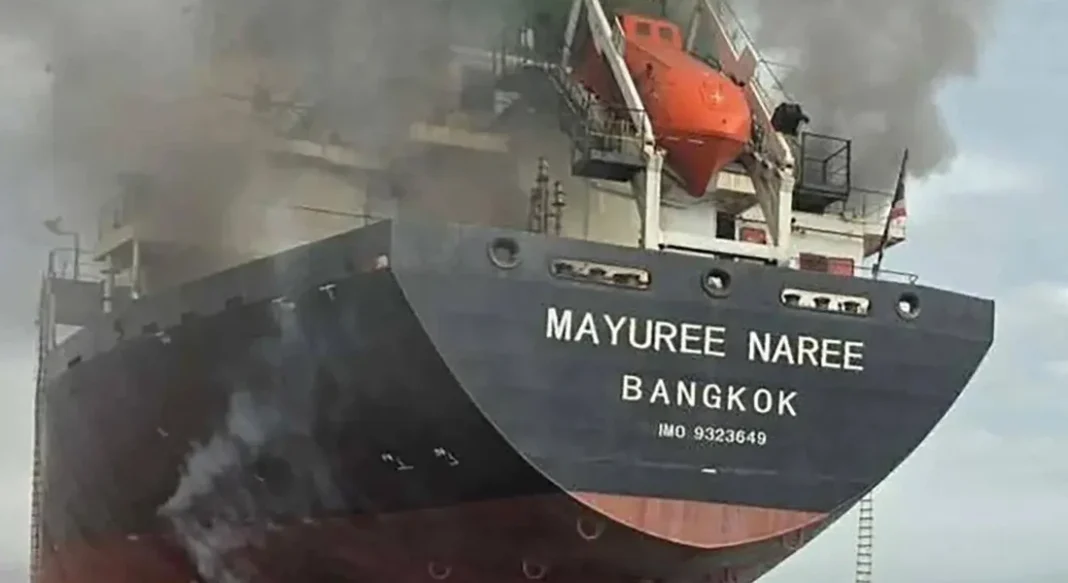
Iranian explosive-laden boats appear to have attacked two fuel tankers in Iraqi waters on March 11, setting them ablaze and killing one crew member after projectiles struck three vessels in Gulf waters, according to media reports.
Drones hit Dubai’s airport, wounding four people, the government said on March 11.
Approximately 140 US service members were wounded in the first 10 days of the war with Iran, the Pentagon said.
Dire Strait of Hormuz
So far, there has been no sign that ships can safely sail through the Strait of Hormuz, the now-blockaded channel along the Iranian coast that serves as a conduit for around a fifth of the world’s oil.
Oil prices, which shot up earlier in the week to nearly $120 a barrel before settling back to around $90, rose nearly 5% on March 11 and extended gains in Asian trade on March 12 amid renewed fears about supply disruption. Wall Street’s main share indexes fell.
IEA for releasing oil
Meanwhile, the International Energy Agency, made up of major oil consuming nations, recommended releasing 400 million barrels from global strategic reserves to dampen one of the worst oil shocks since the 1970s, the biggest such intervention in history.
But the rate at which IEA countries can release strategic reserves will vary and the amount released would account for just a fraction of the supply through the Hormuz Strait.