




Deepak Dwivedi
NEW DELHI:
India must read Donald Trump’s latest ‘will decimate Iran’ warning not as distant geopolitical theatre but as an immediate economic risk demanding calibrated caution. The rhetoric — explicit and suggestive of strikes on critical infrastructure — signals a shift from deterrence to brinkmanship.
For an energy-import dependent economy, the margin for error is narrow, and even short-lived disruptions can have outsized macroeconomic consequences.
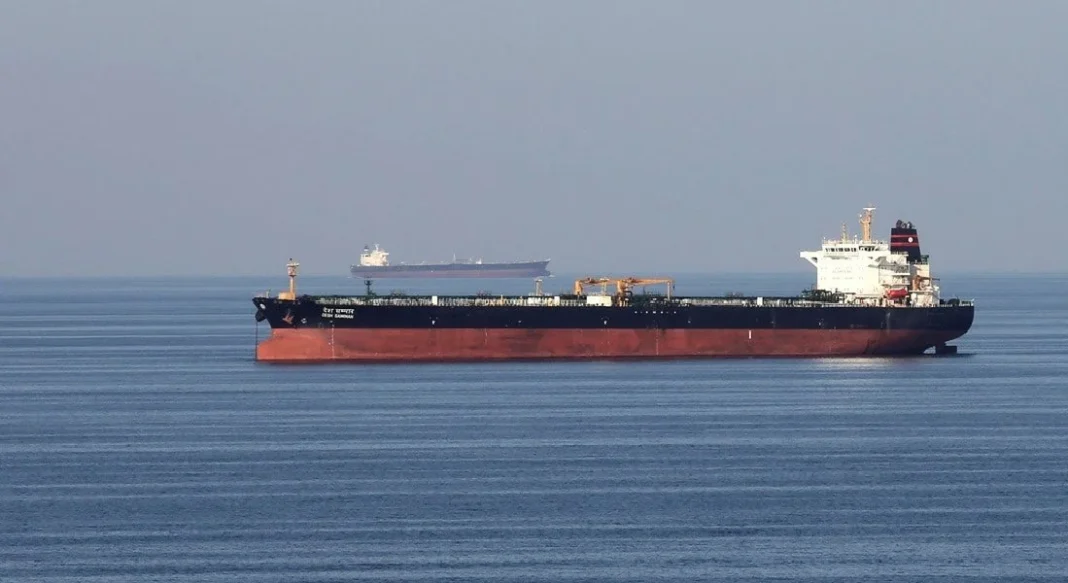
The first caution lies in overestimating resilience built from past oil shocks. A Hormuz-centric disruption is not just about rising prices but potential supply insecurity and volatile shipping conditions. Tactical responses like discounted sourcing or minor tax adjustments may prove inadequate if tanker movement is disrupted or insurance costs surge sharply.
Second, fiscal risks require restraint. The impulse to shield consumers through fuel tax cuts or subsidies is understandable, but an expansive response could widen deficits and weaken macro stability. The challenge will be to provide targeted relief without compromising fiscal discipline or crowding out productive expenditure.
Third, monetary policy faces a difficult trade-off. Oil-driven inflation may demand tightening even as growth weakens. Acting too aggressively could stifle recovery; acting too late risks unanchored inflation. Close coordination between the Government and the Reserve Bank of India will be critical to maintain credibility.
Corporate India must also tread carefully. Sectors exposed to crude-linked inputs —aviation, logistics, chemicals — could face squeezed margins and softer demand. High leverage in a rising rate environment would amplify stress, making balance sheet prudence essential.
A Hormuz-centric disruption is not just about rising prices but potential supply insecurity and volatile shipping conditions.
Currency volatility is another key risk. Higher oil imports increase dollar demand, pressuring the rupee and potentially triggering capital outflows. Managing this without excessive reserve depletion will test policymakers. Spill overs into equity and bond markets could further tighten financial conditions.
Finally, strategic preparedness cannot lag. Securing supply lines, diversifying energy sources, and expanding reserves are immediate priorities. The warning may or may not translate into conflict, but prudent policy must prepare for both scenarios without complacency, foresight, coordination, and sustained policy vigilance.