




Blitz India Business
The India–European Union free-trade agreement — concluded in January after nearly two decades of talks and billed by both sides as their largest ever — is working through legal vetting and translation ahead of formal signing, a step that would create what leaders call a “free market of two billion people” accounting for roughly a quarter of global GDP.
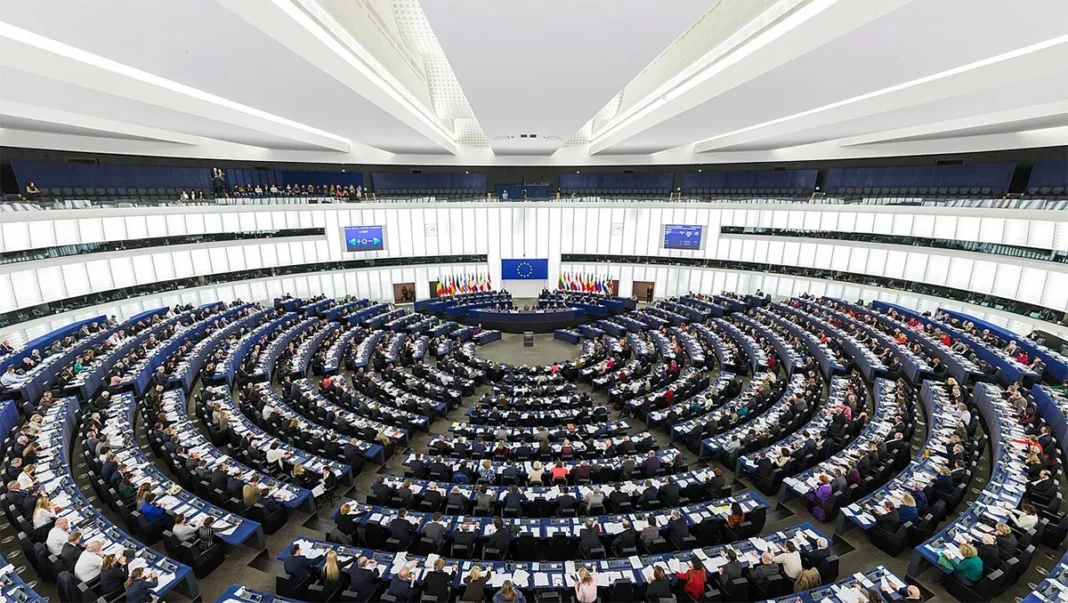
Announced at a New Delhi summit by Prime Minister Narendra Modi, European Commission President Ursula von der Leyen and European Council President António Costa, the pact still requires ratification: approval by the Council of the EU, consent of the European Parliament and clearance by India’s Union Cabinet. Once in force, it would sit alongside the UK deal going live July 15 and the interim US agreement in its final stretch — three of India’s largest markets moving toward preferential access in quick succession.
Conclusion is the headline; ratification is the timeline — exporters plan against the calendar of parliaments, not the day the deal was announced.
By the Numbers
- Concluded: January 2026, after ~two decades of talks
- Scale: “Free market of 2 billion people” — ~¼ of global GDP
- Status: Legal vetting and translation ahead of signing
- Ratification: Council of EU + European Parliament + India’s Cabinet
For Indian exporters, the EU is a market where preferential access is transformative for textiles, engineering, chemicals and services — but the gains arrive only once ratification and implementation are complete, and firms that ready standards compliance and origin documentation early will be first to capture them.
The constructive priority is to use the interval well: aligning standards, building certification capacity and preparing supply chains, so that when signatures land the deal converts quickly into orders rather than a slow ramp. Taken with the UK and US tracks, it points to a widening, diversified export map.