




Blitz India Business
NEW DELHI: Put the price in context of the exposure. India imports the large majority of the crude it consumes, so the level of Brent is not an abstraction — it feeds directly into the import bill, the current-account balance, the rupee and, with a lag, retail inflation. A move to $100-plus from the more comfortable ranges of recent months is exactly the kind of swing that policymakers watch closely, because a sustained rise reprices fuel, freight and a long chain of downstream goods.
The trigger is supply, not demand. Renewed US–Iran friction and Houthi attacks on shipping near the Bab el-Mandeb strait have put a risk premium back into oil and revived worries over the Strait of Hormuz, the chokepoint for a large share of seaborne crude. In a sensible precaution, Indian state refiners are reported to have paused some Iraqi cargoes routed through Hormuz while the risk is assessed — a reminder that India’s sourcing is diversified enough to reroute rather than rely on any single lane.
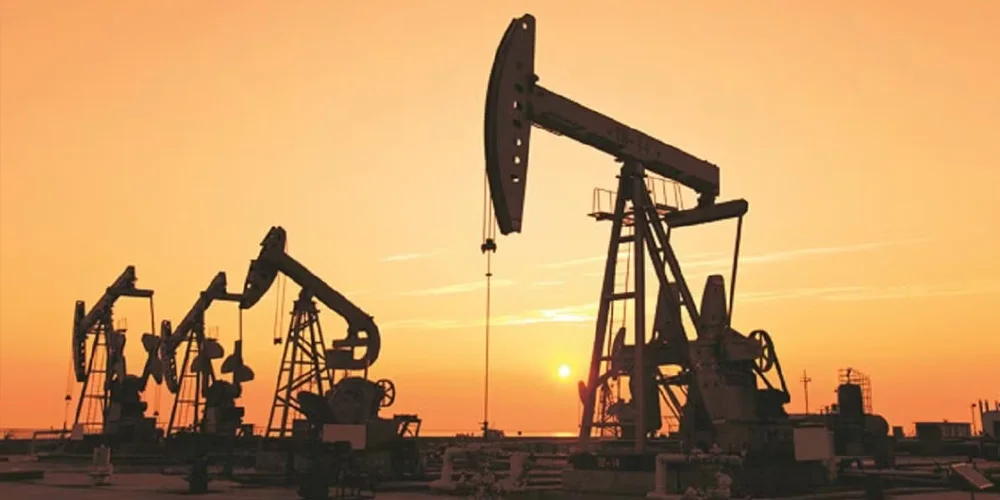
Every dollar counts: With India importing most of its crude, Brent above $100 pressures the import bill, the current account and the rupee — though diversified sourcing and comfortable reserves give the economy room to absorb a supply-driven spike.
A supply-driven oil spike is a shock the balance sheet can absorb; the question is only for how long. Reserves buy the time; diversification and clean power shorten the exposure.
By the Numbers
• Exposure: India imports the large majority of its crude oil
• Channel: higher crude → wider import bill, softer rupee, imported inflation
• Nature: supply-led spike (Hormuz/Red Sea risk), not demand-led
• Buffer: diversified sourcing; near-record FX reserves; steady policy
The read-through for the macro picture is manageable, not benign. A brief supply spike that eases as tensions de-escalate leaves little lasting mark; a prolonged period above $100 would test the inflation trajectory and could narrow the room for monetary easing. The mitigants, though, are real: near-record reserves that let the central bank smooth currency volatility, a flexible import basket, and strong services exports and remittances that support the external account even when the oil line worsens.
The constructive way forward is the one India is already pursuing on multiple fronts: keep crude sourcing diversified and opportunistic, hold the external buffers strong, and accelerate the structural shift — electric mobility and renewable power — that steadily shrinks the barrels India must buy at all. The price of oil is set abroad; the size of India’s exposure to it is, increasingly, a choice made at home.