Blitz India Business
NEW DELHI: Under the India-EU free trade agreement concluded in late January 2026, India’s tariff on imported cars steps down from 110 per cent towards as low as 10, and duties on car parts are eliminated entirely over five to ten years. That glide path is the most consequential industrial-policy experiment India has run in thirty years, and it has been reported almost entirely as a diplomatic story.
The agreement is the largest either party has concluded. Tariffs are cut or eliminated on 96.6 per cent of EU exports to India, and the European Commission expects EU goods exports to India to double by 2032. Signature is expected by the end of 2026, after which ratification and phased implementation begin. The automobile provisions are staged deliberately over years precisely because the adjustment they demand is real: a 110 per cent duty has, for three decades, been the wall behind which India’s passenger-vehicle industry was built.
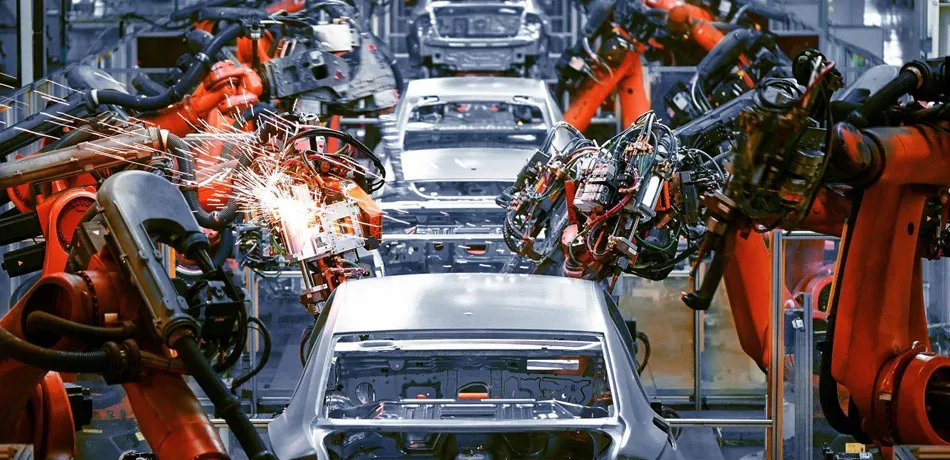
A staged wall: car duties fall from 110 per cent towards 10, and component tariffs to zero over five to ten years, under the India-EU agreement concluded in January 2026.
Protection buys an industry time. The question every tariff wall eventually asks is what the industry did with it.
At a Glance
• Negotiations concluded: late January 2026 — the largest FTA either side has signed
• Coverage: tariffs cut or eliminated on 96.6 per cent of EU exports to India
• Cars: Indian duty steps down from 110 per cent to as low as 10
• Car parts: tariffs fully eliminated over five to ten years
• EU expectation: EU goods exports to India to double by 2032
• Signature: expected by end-2026, ratification to follow
• India’s other live corridors: UAE and Oman CEPAs in force; India-GCC FTA under negotiation since February 2026; US interim agreement at an 18 per cent tariff
The structural argument for the glide path is that component tariffs and vehicle tariffs move together, and that is the detail most commentary misses. An Indian component maker currently sells into a domestic assembly base insulated from European competition, and buys machine tools, robotics and specialty steels that are themselves dutiable. Eliminating parts tariffs cuts both ways: it exposes the Tier-2 supplier to European competition, and it cuts that same supplier’s input costs and capital-equipment costs. Which effect dominates depends entirely on where a firm sits in the value chain — and the honest answer is that the firms making commodity stampings will struggle while those making precision assemblies, wiring harnesses and increasingly electronics have a genuine shot at becoming European suppliers rather than merely Indian ones.
The evergreen question underneath is whether India uses the decade. Every economy that has dismantled an automotive tariff wall — Spain in the 1980s, Mexico under NAFTA, Thailand, Korea — has produced the same two outcomes in different proportions: a consolidation among domestic assemblers, and the emergence of a globally competitive component sector where the adjustment was managed. What separates the good outcomes from the bad ones is almost never the tariff schedule. It is whether the intervening years were used for testing infrastructure, standards harmonisation, engineering skills and logistics cost, so that a domestic supplier can quote against a European one without the tariff. India has five to ten years and, unusually, knows exactly when the wall comes down. That certainty is itself a policy asset, and the constructive use of it is to publish the transition roadmap now — sector by sector, so a Pune component maker can plan a capital cycle against a known date rather than a rumour.


