




Blitz Bureau
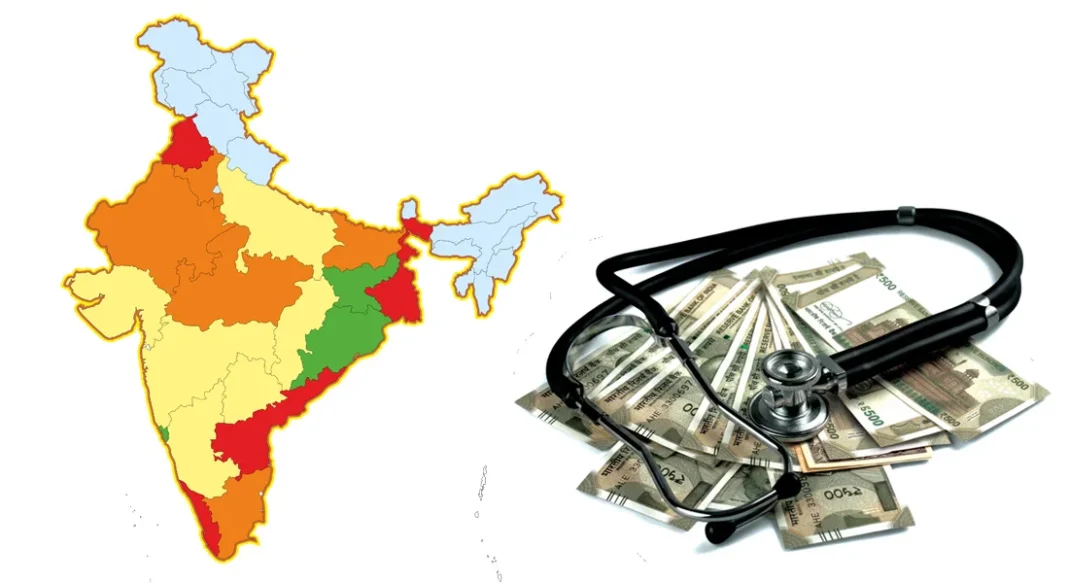
NEW DELHI: The Fiscal Health Index 2026 puts the spotlight on one parameter that often gets buried beneath deficit numbers: Quality of expenditure. This is where the real story of India’s state finances lies.
For years, fiscal debates have revolved around how much governments spend and how large their deficits are. But the index makes it clear that what states spend on is far more consequential than how much they spend.
Two states with similar deficit levels can have vastly different growth outcomes depending on whether their budgets are geared towards asset creation or consumption.
The contrast is increasingly visible. Better-performing states are those that have managed to protect capital expenditure — investments in infrastructure, irrigation, logistics and public assets that expand future capacity.
In contrast, fiscally stressed states are seeing a growing share of their budgets pre-empted by committed expenditure: salaries, pensions, subsidies and interest payments. These are politically difficult to compress and economically hard to escape.
This shift has long-term consequences. When capital expenditure is squeezed, the impact is not immediate but cumulative. Roads are delayed, maintenance is deferred, and public investment loses its multiplier effect.
Over time, this weakens private investment sentiment and slows job creation, even if headline spending appears robust.
What makes this trend particularly concerning is its persistence. Once a state’s expenditure profile tilts heavily towards committed liabilities, reversing it becomes a slow and politically costly process. Fiscal space narrows, borrowing rises, and policy flexibility erodes.
The message from the index is therefore precise and urgent: India’s fiscal challenge is no longer just about balancing budgets. It is about rebalancing spending priorities.
Without a decisive shift towards investment-led expenditure, state finances risk becoming structurally rigid, limiting their ability to support the country’s next phase of growth.