




Blitz India Business
NEW DELHI: While American tariff headlines dominated the week, the more consequential trade fact for many Indian exporters is already live. The India–UK Comprehensive Economic and Trade Agreement entered into force on July 15, and with it 99% of Indian goods entering Britain became duty-free or subject to reduced tariffs, alongside 90% of UK goods entering India. Spanning 30 chapters from goods and services to digital trade, financial services and procurement, CETA is the widest market-access agreement India has activated in years — and it opened the same fortnight the US measure landed.
The projected economics are substantial and mutual. The agreement is expected to lift bilateral trade by about £25.5 billion a year in the long run, adding roughly £5.1 billion to Indian GDP and £4.8 billion to Britain’s annually. A Double Contribution Convention that took effect the same day removes the duplicate social-security payments Indian professionals on temporary UK assignments previously made into two systems at once — a direct saving for Indian services firms and the staff they post abroad. For an exporter weighing a noisy American schedule, a settled British one is a useful counterweight.
Live since July 15: CETA gives 99% of Indian goods duty-free or reduced entry into Britain across 30 chapters, with a projected £25.5 bn annual trade uplift and a Double Contribution Convention easing costs for Indian professionals in the UK.
A trade agreement earns nothing on the day it is signed. It earns on the day an exporter in Tiruppur reprices a British order — and wins it.
By the Numbers
• In force: July 15, 2026, with the Double Contribution Convention
• Coverage: 99% of Indian goods into the UK duty-free or reduced; 90% the other way
• Scope: 30 chapters — goods, services, digital, financial, procurement
• Projected: £25.5 bn trade uplift; +£5.1 bn Indian GDP, +£4.8 bn UK a year
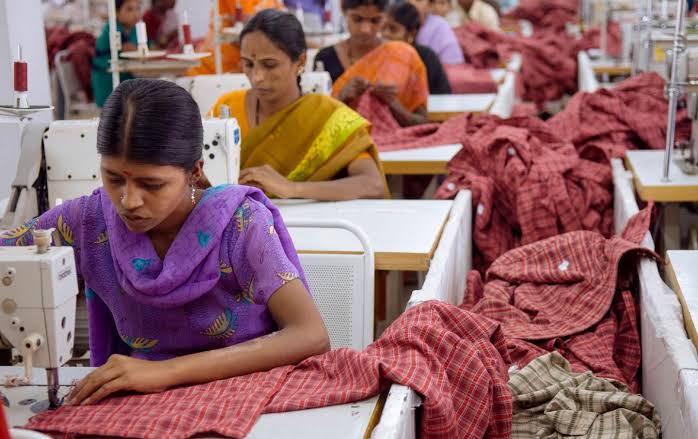
The sectoral read-through favours the industries that employ the most people. Textiles and apparel, leather and footwear, gems and jewellery, marine products and processed foods face the sharpest tariff reductions into a high-value consumer market, while Indian IT and professional services gain from the mobility and social-security provisions. On the import side, Indian manufacturers get better access to British machinery and medical devices, and cheaper capital equipment — the quieter competitiveness gain that lowers costs across the factory floor.
The constructive way forward is execution, because agreements deliver in proportion to how well they are used. The binding constraints now are practical rather than diplomatic: exporters must master rules-of-origin documentation to actually claim the preference, small and medium firms need trade-finance and certification support, and logistics costs must not eat the tariff saving. The corridor is open and India’s negotiators have moved on to the next table. Whether it becomes £25.5 billion of trade depends less on diplomacy now than on how many Indian firms pick up the paperwork and place the call.