




Blitz India Business
NEW DELHI: The Centre closed the first quarter of FY27 with a fiscal deficit of ₹3.07 lakh crore — 18.2 per cent of the ₹16.96 lakh crore budgeted for the full year. Read alone, that is a comfortable number. Read against the expenditure line, it becomes an interesting one.
Total expenditure in April–June was ₹13.57 lakh crore, or 25.4 per cent of the Budget estimate. A quarter is 25 per cent of a year, so the Centre spent slightly ahead of a straight-line pace — not behind it. Net tax revenue reached ₹6.36 lakh crore, 22.2 per cent of the corresponding estimate. Put those two together and the arithmetic does not, on its own, produce a deficit as small as ₹3.07 lakh crore. Something else closed the gap, and it is not a mystery: the Reserve Bank of India’s surplus transfer of ₹2,86,588 crore for FY26, approved by its Central Board on May 22, lands inside this quarter.
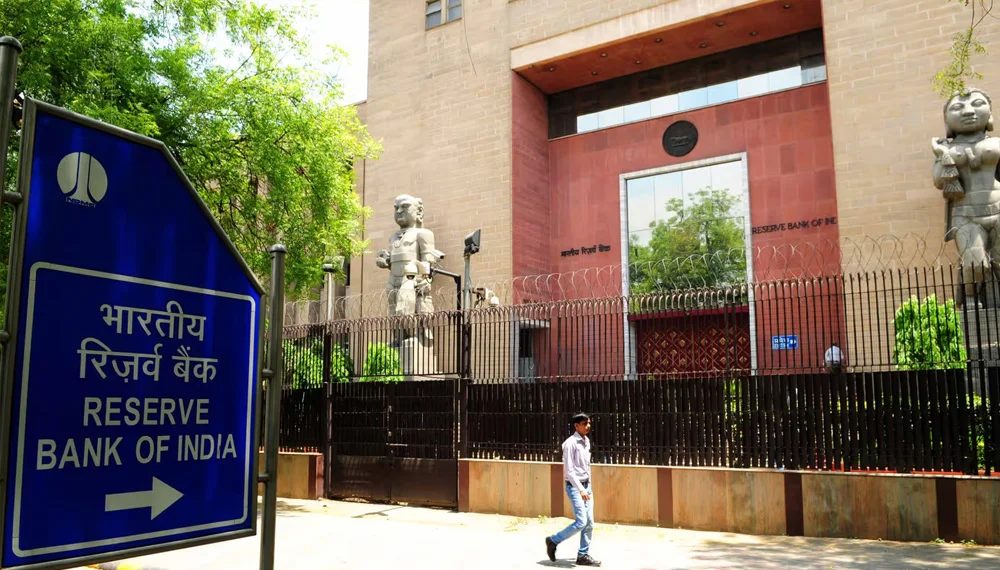
A May decision inside a June account: the central bank’s surplus transfer for FY26 was approved on May 22 and is received by the exchequer in the first quarter of FY27 — which is why Q1 deficits look unlike the rest of the year.
The first quarter of the Indian fiscal year is the one quarter in which a single non-tax receipt can outweigh the shape of the whole revenue base.
At a Glance
• Q1 FY27 fiscal deficit: ₹3.07 lakh crore, 18.2 per cent of the full-year target
• A year earlier: ₹2.8 lakh crore in the corresponding quarter
• Full-year target: ₹16.96 lakh crore, or 4.3 per cent of GDP
• Total expenditure: ₹13.57 lakh crore, 25.4 per cent of the Budget estimate
• Net tax revenue: ₹6.36 lakh crore, 22.2 per cent of estimate
• RBI surplus transfer for FY26: ₹2,86,588 crore, approved May 22, 2026 — a record, and 6.7 per cent above the previous year’s ₹2.69 lakh crore
• Source: monthly accounts consolidated by the Controller General of Accounts
• Related: ₹1,09,019 crore released to states on August 1 as an advance instalment of tax devolution
Three implications follow for anyone modelling the rest of the year. First, the quarterly path will steepen: the RBI transfer is a once-a-year receipt, and the remaining nine months must be financed by taxes, disinvestment and borrowing rather than by a repeat of it. A reader who annualises 18.2 per cent will get a number that flatters the year. Second, the expenditure figure is the encouraging half of this release. Front-loaded spending at 25.4 per cent of the estimate, with an advance devolution instalment of ₹1,09,019 crore released to states on August 1, means capital works are being funded in the months when they can physically be executed rather than compressed into a March scramble. That timing is worth more to project delivery than the headline ratio is to fiscal reputation.
Third, and most usefully for a forecaster, the composition tells you what to watch. Net tax revenue at 22.2 per cent of estimate is a shade behind pro-rata, which is normal for a first quarter but leaves less cushion than the deficit ratio implies. The variables that will decide the year are therefore the ones on the revenue side: GST buoyancy through the festival quarter, corporate advance tax in September and December, and the pace of disinvestment receipts. The Reserve Bank’s own revised projections — growth at 6.7 per cent for FY27 and inflation at 5 per cent — are consistent with a nominal GDP base that supports the 4.3 per cent target. The constructive reading of these accounts is that the government has bought itself the ability to spend early without borrowing early. The discipline that matters will be shown between October and March, when the cushion is gone and the spending is still due.