Blitz India Business
NEW DELHI: Beneath the quarterly noise sits one of the market’s most durable Indian themes: the digital public infrastructure that now carries the economy’s everyday transactions. The Unified Payments Interface handled about 22.7 billion transactions worth roughly ₹28.9 lakh crore in June 2026 alone, some 757 million a day; across FY26 it processed more than 24,000 crore transactions worth over ₹314 lakh crore, on a base near 55 crore users. For allocators, this is less a news item than a structural shift in how value moves.
The investment logic is that shared, open rails create a platform on which many businesses can be built. Near-zero-cost, real-time payments have formalised huge swathes of commerce, generated a rich data trail that underpins new-age lending, and lowered customer-acquisition and settlement costs across banking, fintech, e-commerce and consumption. The value does not sit in the rails themselves — which are a public good — but in the layers on top: credit, insurance, wealth, merchant services and the data infrastructure that connects them.
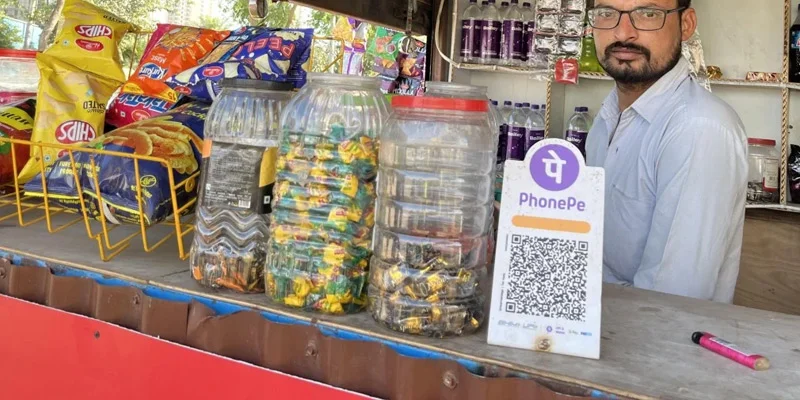
A platform, not a product: ~₹28.9 lakh cr moved over UPI in June 2026 — the formalised, data-rich base on which lending, insurance and merchant services are increasingly built.
The rails are a public good; the businesses built on them are the trade. India’s edge is that the platform is already at national scale.
The Long View
• June 2026: ~22.7 bn transactions worth ~₹28.9 lakh crore
• FY26: 24,000+ crore transactions worth ₹314+ lakh crore
• Users: ~55 crore; ~757 million payments a day
• Where value sits: credit, insurance, merchant services, data layers
The honest account names the risks that decide returns. Monetisation is the central question: most UPI transactions are free, so business models must earn on the layers above, not the payment itself. Regulation of fees, data and market concentration will shape economics; and the system must stay resilient against outages and fraud as it scales. Execution — who converts payment ubiquity into durable, profitable services — is the variable to track rather than transaction volume alone.
The constructive, long-view read is that this is a rare theme where public infrastructure, consumer behaviour and private innovation reinforce one another — the mark of a structural trend rather than a cyclical trade. The way forward, for the economy and the market alike, is to keep the rails open, affordable and secure while the value-added layers mature. For investors, the durable signal is not payment volume but the profitability of what gets built on top — and, increasingly, the export of the model itself.


