




Blitz India Business
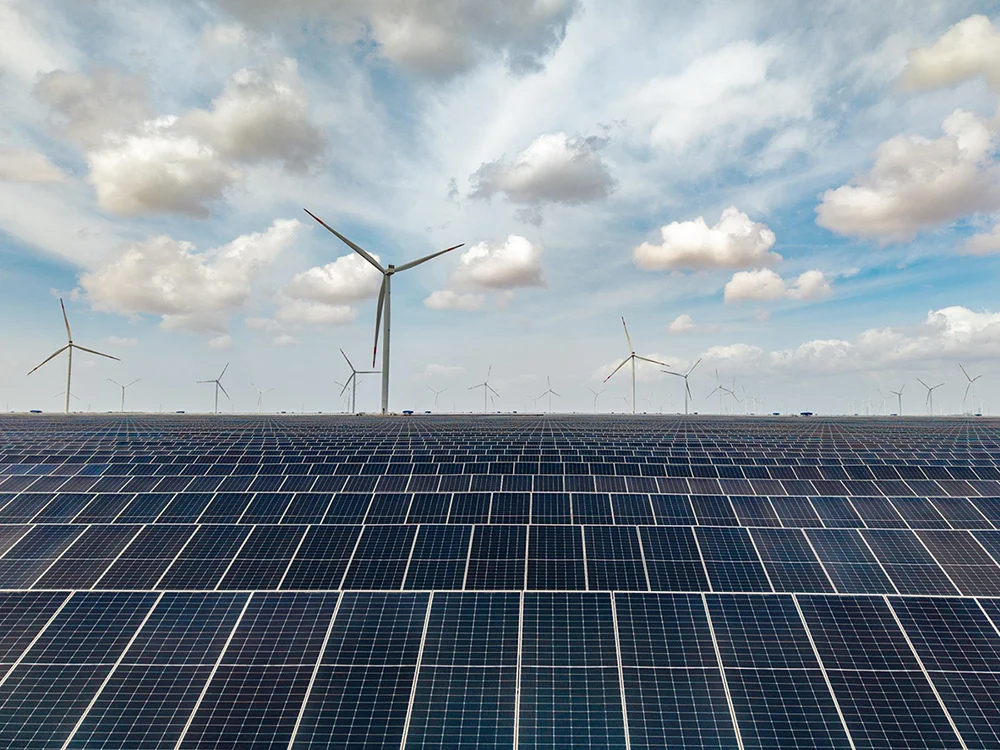
India has done the hard, visible part of its energy transition: non-fossil capacity has reached 283 GW, more than half a power base now past 500 GW, on the back of a record 44.6 GW of solar added in a single year. The next chapter is less about adding megawatts and more about the economics that make them useful around the clock.
As variable solar and wind climb toward half the grid — and as electric vehicles, now above 12% of new sales, add flexible demand — value shifts down the stack: to batteries and pumped storage, to transmission that moves power between regions, and to market design that rewards firm, dispatchable supply. These are capital-intensive, long-cycle assets, and they are where the investment story now concentrates.
The next capex wave: With generation built, the returns move to storage, transmission and grid flexibility.
Cheap generation is only half a power system — the money, and the reliability, now live in storage and the wires that carry it.
The Long View
- Non-fossil capacity: 283 GW; total base past 500 GW
- Record year: 44.6 GW solar added in FY26
- New demand: EVs above 12% of sales
- Next frontier: Storage, transmission, flexible markets
The honest risks are financing and integration: storage costs must keep falling, transmission must be built ahead of demand, and distribution utilities need healthier balance sheets to sign long-term contracts. Land, module supply and grid-connection queues are the practical bottlenecks investors watch.
The constructive long-view read is that India has proved it can build clean capacity at scale and cost; the value now migrates to the systems that firm it. For patient capital, storage, grids and flexibility are the transition’s next — and arguably most durable — opportunity.
This is news and analysis, not investment advice. Capacity figures are official data as of March 31, 2026.