




Blitz India Business
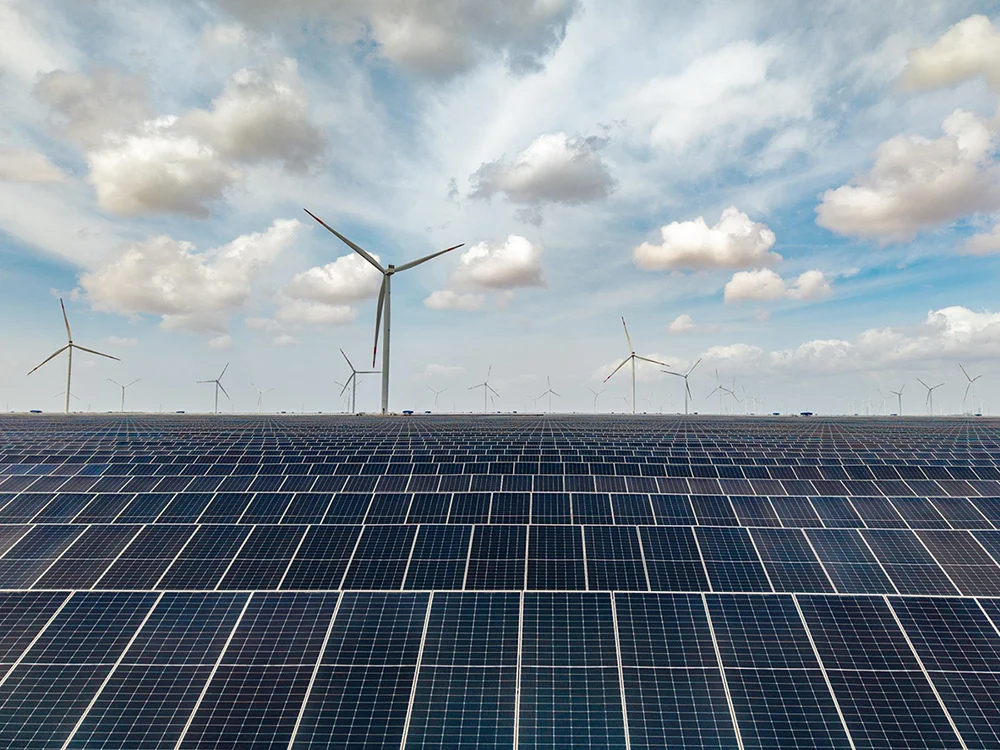
NEW DELHI: India added 30.6 GW of renewable capacity in the first half of calendar 2026, a 25% increase year on year, with solar additions up 43% at 26.34 GW between January and June. Total installed renewable capacity stood at 288.58 GW as of June 30; including 8.78 GW of nuclear, non-fossil capacity reached 297.36 GW. Solar accounts for 162.15 GW, wind 57.44 GW, large hydro 57.24 GW and bio power 11.75 GW. Solar and wind together represent 92.8% of renewable capacity, at 219 GW in H1 2026.
A build rate of roughly 5 GW a month is what a 500 GW non-fossil target by 2030 requires, and India is currently meeting it. The financing implication is straightforward: sustaining this pace demands continuous access to long-tenor capital at competitive rates, and the sector’s cost of capital is now as material a variable as module prices. Falling module costs have already been substantially harvested; the remaining levers on levelised cost are financing terms, land and transmission timelines, and curtailment risk.
Roughly 5 GW a month: 30.6 GW added in H1 2026, solar up 43% at 26.34 GW. Solar and wind now make up 92.8% of India’s 288.58 GW renewable base.
The panel is no longer the expensive part of a solar project. The loan is — and so, increasingly, is the wire that carries the power away.
At a Glance
• H1 2026 additions: 30.6 GW, +25% YoY; solar +43% at 26.34 GW
• Installed base: renewables 288.58 GW; non-fossil 297.36 GW incl. 8.78 GW nuclear
• Mix: solar 162.15 GW · wind 57.44 GW · large hydro 57.24 GW · bio 11.75 GW
• Concentration: solar and wind = 92.8% of renewable capacity (219 GW, H1 2026)
The constraint that will bind first is not generation but evacuation and storage. Transmission corridors have longer permitting and construction cycles than solar farms, and a mismatch shows up as curtailment — power generated and not paid for, which directly damages project returns and therefore future financing terms.
Distribution utilities in several states remain financially stretched, which affects counterparty risk on long-term power purchase agreements. Both are known problems with known instruments; neither is solved by adding more panels.
The constructive path is to fund the complements at the same intensity as generation. Pumped-storage projects, grid-scale batteries supported by domestic cell manufacturing, time-of-day tariffs that shift flexible load into solar hours, and transmission built ahead of demand rather than behind it. For capital allocators, the interesting opportunity set is shifting accordingly — from developers who build megawatts to those who can guarantee delivered, dispatchable energy at a contracted hour. That is a harder business, and it is where the next decade of value in the sector most likely sits.