




Blitz Bureau
NEW DELHI: When the United Nations concluded the ‘International Year of Millets’, structural skeptics anticipated that ancient grains would fade away as a passing marketing trend. Instead, the momentum has stabilised into a robust industrial asset class, repositioning India as the world’s leading ‘superfood bakery’.
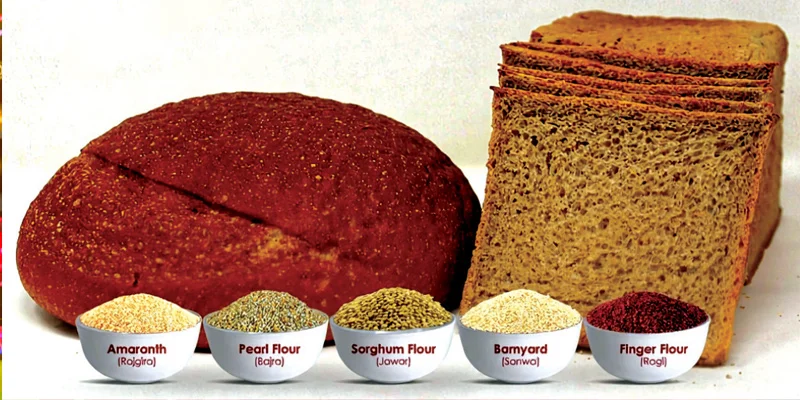
The transformation has been driven by a deliberate policy push to incentivise processing infrastructure. Millets like ragi (finger millet), bajra (pearl millet), and jowar (sorghum) are uniquely climate-hardy; they require 70 per cent less water than paddy rice and thrive in soaring temperatures that wilt traditional wheat varieties. However, their primary hurdle was consumer adoption due to their rough, unrefined state.
By funding specialised milling and processing clusters, agritech start-ups and regional cooperatives have successfully moved up the value chain. Instead of selling raw grains, rural enterprises are processing millets into premium, global-facing consumer options.
Value-added milling: Production lines have scaled up the output of nutrient-dense, gluten-free baking flours and artisanal sourdough blends.
Ready-to-eat formats: Industrial lines are converting hardy grains into air-fried snacks, organic breakfast flakes, and high-protein sports bars.
Export logistics: These processed consumer goods are being exported to health-conscious markets across Europe, North America, and the Middle East.
This shift has created an insulation layer for dryland farmers. Even during seasons marred by unpredictable monsoons, millet crops survive the climate stress, while the domestic processing infrastructure guarantees high profit margins. The humble ancient grain is no longer just a subsistence crop; it is an industrial tool driving sustainable economic security.