


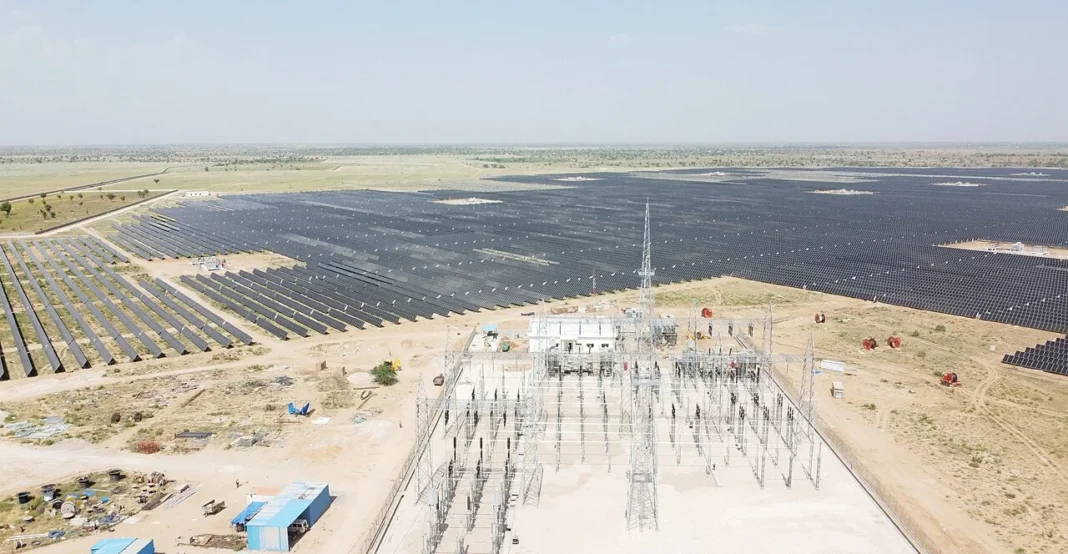


291.5 GW of non-fossil capacity as of May 31 — including 157.05 GW of solar and 8.78 GW of nuclear — keeps India third globally in renewable installed capacity, after a record 55.3 GW of non-fossil additions in FY2025–26.
Solar crossed the 150 GW milestone on March 31 and reached 157 GW two months later; India added more than 21 GW of solar in the first five months of 2026 alone. JMK Research expects roughly 42.5 GW of new solar in the calendar year — the manufacturing and deployment sides now reinforcing each other.
The next value pool is integration — transmission, storage and grid flexibility, where curtailment risk is turning into an investment opportunity.
By the Numbers
- Non-fossil capacity: 291.5 GW (as of 31 May 2026)
- Solar / Wind: Solar at 157.05 GW; Wind at 56.1 GW
- FY2025–26 addition: 55.3 GW non-fossil capacity added (record high)
- 2026 solar (Jan–May): 21+ GW already added; ~42.5 GW forecast for the full year
For investors, the shift from generation to grid — batteries, pumped hydro, transmission — is where the next returns concentrate, alongside a phased, financeable evolution of the thermal fleet. Execution, land and evacuation remain the binding constraints.
The constructive path is pairing the renewable surge with firm capacity and storage so the build-out translates into reliable, bankable supply.