




~670,000 tonnes a year of green ammonia now under SECI supply agreements — out of some 724,000 tonnes allocated — plus a national certification scheme for hydrogen’s carbon intensity: India’s clean-fuel push is acquiring the market plumbing it needs to scale.
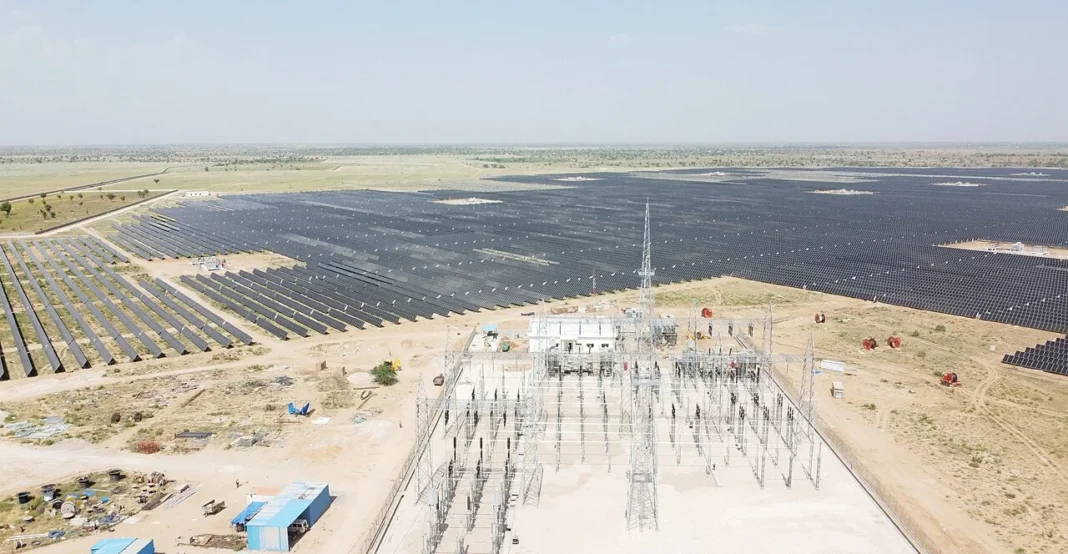
The six SECI agreements route green ammonia to fertiliser companies, creating firm demand for early producers. In parallel, the renewable-energy ministry is pressing for domestic manufacturing of electrolyser parts, catalysts and polysilicon to cut import dependence — all against a non-fossil power base of 291.5 GW that supplies the cheap electricity green hydrogen needs.
Offtake plus a credible standard is what unlocks financing — the two pieces that move projects from announcement to bankable.
By the Numbers
- Green ammonia: ~670,000 tpa contracted (of ~724,000 tpa)
- Certification: National carbon-intensity scheme live
- Localisation: Electrolysers, catalysts, polysilicon
- Power base: 291.5 GW non-fossil capacity
The candid gap is scale: output today is small against the mission’s headline target, and closing it needs competitive electrolyser costs and steady clean power. Certification and guaranteed buyers address exactly those constraints, giving lenders the revenue visibility they require.
The constructive path is widening anchor demand across fertiliser, refining, steel and shipping while building components at home — so each plant lowers costs for the next and India climbs the value chain rather than importing it.