




Blitz India Business
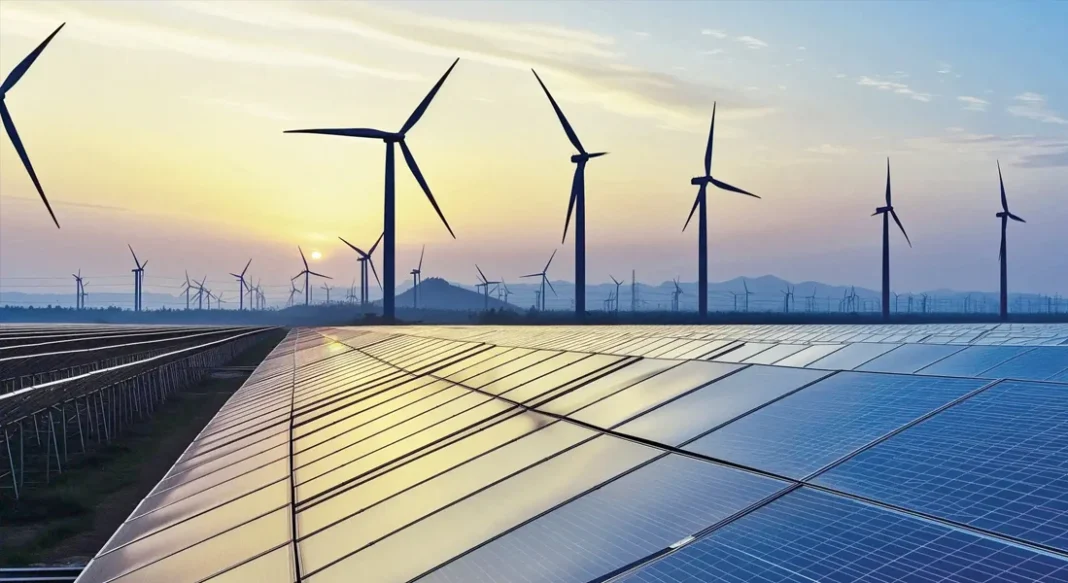
44.61 GW of solar added in 2025–26 — a record, above the 34 GW target and nearly double the prior year — lifted India’s solar fleet past 150 GW and total non-fossil capacity to about 283 GW, third globally. Across all clean sources, a record 55.3 GW was added in the year.
For developers and equipment makers, a run-rate near 45 GW a year is a durable, multi-year order book. The momentum is now extending into green hydrogen: the National Green Hydrogen Mission carries an outlay near ₹19,744 crore and a 2030 target of 5 million tonnes a year, with early tenders already pricing green ammonia for fertiliser units at a weighted-average ₹53.27 per kg.
The re-rating driver is the run-rate: ~45 GW a year of solar is a supply-chain order book, and green hydrogen is the next leg.
By the Numbers
- FY26 solar added: ~44.61 GW (record; target 34 GW)
- Solar / non-fossil: ~150 GW / ~283 GW (3rd globally)
- Non-fossil added: Record 55.3 GW in the year
- Green H2 mission: ~₹19,744 cr; 5 MT/yr by 2030
The candid constraint is integration and cost. Variable solar needs storage, firm-power contracts and transmission to convert capacity into round-the-clock supply, and green hydrogen still prices above the fossil fuels it targets. Where those pieces align — and cheaper capital helps — project bankability improves markedly.
The constructive read is a lengthening value chain — firm-and-dispatchable tenders, battery storage, electrolysers and localised manufacturing — as India turns a capacity milestone into an industrial base spanning power and clean fuels.