




Blitz India Business
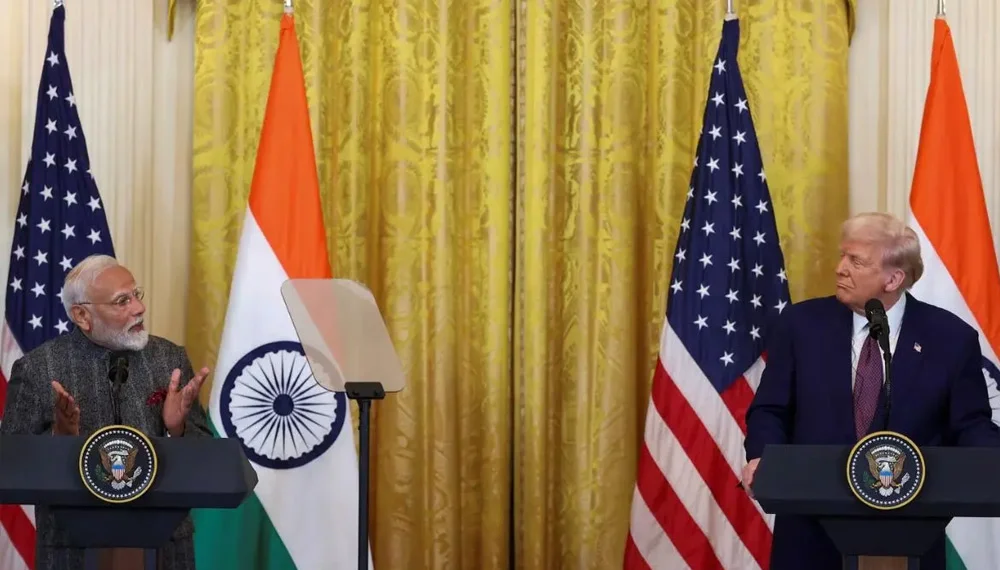
The date on every trade desk’s calendar is July 24 — when a temporary US tariff measure lapses and the framework reverts. Ahead of it, negotiators describe an interim India–US agreement as “very, very close,” with New Delhi pressing for preferential terms that would restore an edge over regional rivals such as Vietnam.
The substance goes well beyond a single number. Commerce and Industry Minister Piyush Goyal and US Trade Representative Jamieson Greer have worked through market access, digital trade, supply-chain resilience and non-tariff barriers — the machinery of a durable pact rather than a headline tariff cut. For exporters in autos, engineering and electronics, certainty of access is the prize.
Tariffs move headlines; predictability moves capex. An interim deal’s real value is the planning certainty it hands India’s exporters.
The read-through pairs with the UK pact going live three days earlier: within a single week, India could see its two largest Western trade relationships move onto more favourable terms. For corporates, that is a medium-term repricing of export opportunity across textiles, autos, pharma and IT-enabled services.
The constructive read is that a widening set of deals diversifies India’s market access and cushions any single tariff shock. The way forward is execution — converting negotiated access into shipped orders through faster certification and finance — so the deadline becomes an opening, not an overhang.