




Blitz Bureau
NEW DELHI: Just when Indians were rejoicing over the cessation of hostilities in West Asia and looking forward to some relief from rising prices, a dampener has come in the form of El Nino. Known to warm up the Pacific Ocean and lead to poor cloud formation, this global climate pattern is making meteorologists and policy makers increasingly nervous in India.
A weak start to this year’s monsoon, with 46 per cent deficit in June, has heightened concerns over drought conditions in many parts of the country and their potential impact on agriculture, food prices and economic growth. The next four to six weeks, particularly July, will determine whether the country slips into a full-fledged drought year or merely experiences localised droughts.
The India Meteorological Department (IMD) has revised its monsoon forecast, indicating a 60 per cent probability of a deficient monsoon, largely because of the emerging El Nino.
The concern arises from what has happened so far. The monsoon arrived late in Kerala, and its advance subsequently stalled across large parts of the country. Rainfall deficiencies have become widespread, raising fears that the season may be heading towards a prolonged weak phase.
Reports indicate that nearly 72 per cent of India’s geographical area had deficient rainfall in mid-June. Central India, Maharashtra, Vidarbha, parts of southern India and several eastern regions are particularly affected.
Maharashtra’s situation has become especially worrying. The state has experienced one of its driest starts to the monsoon in recent years. Reservoir levels have dropped sharply in several areas, and Mumbai’s water storage has fallen to critically low levels, forcing authorities to impose water rationing measures. In rural districts, farmers are anxiously waiting for sustained rainfall before committing themselves to sowing operations.
Karnataka, Telangana and parts of Andhra Pradesh could also face prolonged dry spells if rainfall remains weak. In contrast, north-western India may fare somewhat better, while the north-eastern states are expected to receive near-normal rainfall.
In other words, the country is more likely to witness localised and regional droughts rather than a repeat of the devastating nationwide droughts of 1972, 1987 or 2002. Yet even regional droughts can have significant national consequences because of their impact on agricultural output and food prices.
The impact of deficient rainfall will be felt most immediately on the kharif crop. Farmers in many regions have delayed sowing because rainfall has been sporadic and insufficient. Rice, pulses, soybean, cotton and oilseeds are particularly vulnerable.
Delayed sowing often translates into lower yields, even if rainfall improves later in the season. Agricultural experts in several drought-prone districts have already advised farmers against premature sowing to avoid losses.
However, India today is better protected than it was two decades ago. Irrigation coverage has expanded considerably, reducing dependence on rainfall in several regions. Reservoirs entered the season with relatively healthier storage levels, and Government food grain stocks remain comfortable. These factors should help prevent a catastrophic collapse in food production even if rainfall remains below normal.
The economic impact may nevertheless be felt quickly through inflation. A deficient monsoon typically pushes up prices of pulses, vegetables, fruits, edible oils and milk and dairy products. Rice prices could also come under pressure if the sowing deficit persists into July and affects acreage.
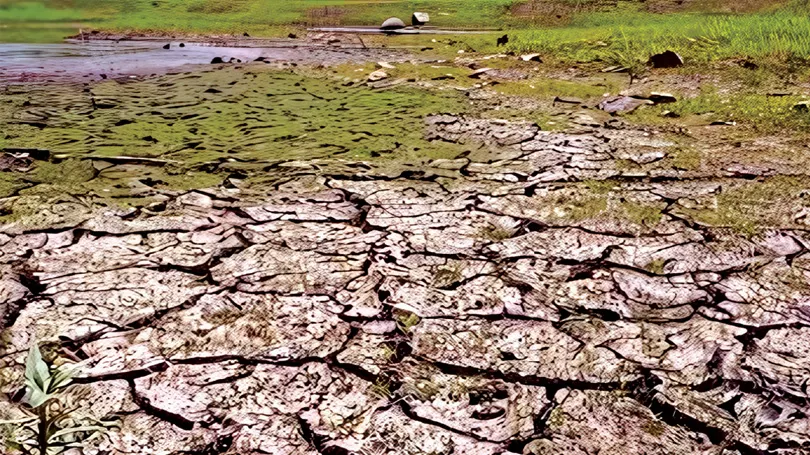
The southwest monsoon appears to be playing truant this year with rainfall deficits widening across large parts of the country and raising concerns about the impact on agriculture and food prices.
Economists have warned that inflation could rise noticeably if rainfall remains deficient during the crucial July-August period. Some projections suggest retail inflation could move towards 5.5 per cent if the monsoon performs significantly below normal. Such a scenario would complicate the task of policy makers and put additional pressure on household budgets.
Vegetables may become the earliest indicator of emerging stress. Heat waves, water shortages and erratic rainfall tend to affect tomatoes, onions, leafy vegetables and fruits long before cereal crops show visible damage.
Consumers are therefore likely to experience rising food prices well before the full agricultural impact becomes apparent.
On balance, a fair assessment would be that India is standing at a weather crossroads. The country is not yet in a nationwide drought, but it is facing one of the weakest starts to the monsoon in more than a decade. Much now depends on whether the rains regain strength in the coming weeks.