




Blitz Bureau
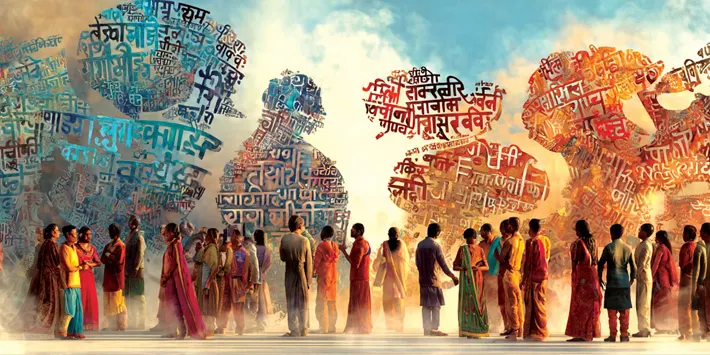
NEW DELHI: Project Bhashini isn’t operating in a vacuum; it is the newest layer of the India Stack – the digital public infrastructure that brought the world UPI and Aadhaar. Here is how the technology functions under the hood in 2026:
Unified Language Interface (ULI): Just as UPI allows different banks to talk to each other to transfer money instantly, ULI allows any app to instantly translate text or voice across 22 Indian languages. A start-up building a delivery app can plug into ULI via an API, making their platform multilingual overnight without hiring translators.
Anuvadini App: This AI-powered tool is translating engineering, medical, and legal textbooks from English into regional languages at a fraction of the traditional cost. In 2026, a student in a rural Government college can access the latest global research in their native tongue simultaneously with their peers in tech hubs.
Open-source Crowdsourcing: Bhashini relies on the Bhasha Daan initiative. By gamifying data collection, citizens across the country contribute voice recordings, images of local text, and translations. This massive, open-source data repository is publicly available, preventing global big-tech monopolies from locking away local language data behind paywalls.